




Managing high-stakes exams like the LSAT and PRAXIS requires a multifaceted approach that reflects a blend of academic proficiency and psychological resilience. Because professional paths are frequently determined by these exams, the strain might show up as mental and physical obstacles that impair performance.
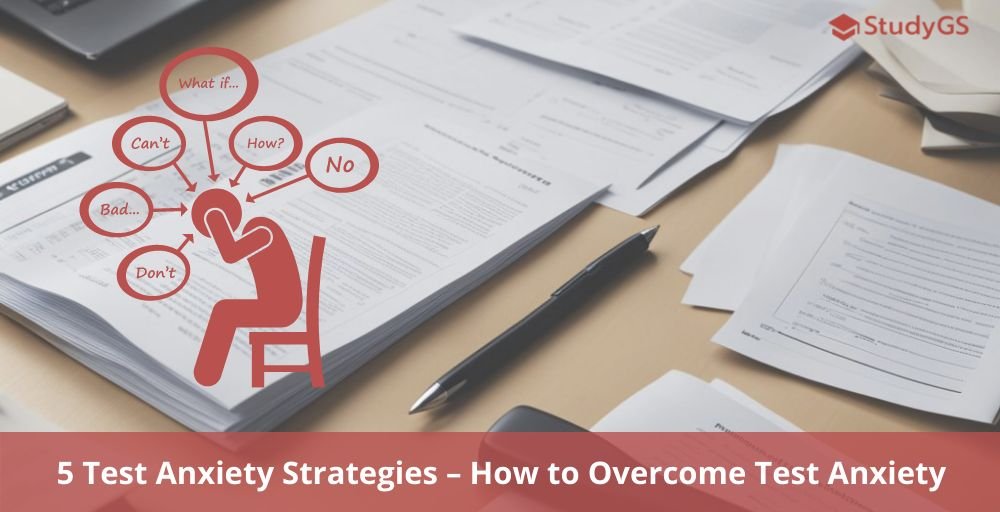
We will go over several approaches that students might use in this post, from test anxiety management to cognitive reframing. Candidates can adopt disciplined routines that convert anxious energy into a focused, productive frame of mind by comprehending the underlying causes of test anxiety.
Master the Exam Format Early
The dread of the unknown is one of the main causes of anxiety. For the LSAT, this entails learning reading comprehension formats and logic games, whereas Praxis candidates need to concentrate on particular topic matter.
The cognitive strain on test day is less if you are familiar with the UI and question categories. Students can easily get their hands at number of reliable practice papers that will provide the exact format of the exams, when they search “take my LSAT exam for me” on reliable search engines. Your brain can focus entirely on problem-solving instead of navigating the program when you know precisely what the screen will look like and how the navigation will function.
Simulate Realistic Testing Conditions
Desensitization requires taking practice tests under stringent time constraints in a calm setting. This procedure makes the event seem like simply another practice session by assisting the brain in adjusting to the strain of the clock.
You train your “testing muscles” to focus for extended periods of time by mimicking the precise timing of the LSAT or Praxis. This increases the endurance required to avoid late-test tiredness, which frequently results in anxiety and mistakes.
(helpwithdissertation,2021)
Implement Cognitive Reframing Techniques
Negative self-talk, like “I’m going to fail,” is a common source of anxiety, and this anxiety sometimes leads students to go for “take my gre for me” like options, which is okay for busy or working students, but not necessarily for students who are facing just anxiety. Here, cognitive reframing is important. The process of cognitive reframing is deliberately substituting constructive ideas, such as “I have prepared and am ready to do my best.”
Consider the bodily signs of stress, such as a racing heart, as an adrenaline rush that will help you focus better rather than as a sign of fear. Changing your viewpoint from “threat” to “challenge” will greatly increase your clarity.
Practice Mindfulness & Meditation
You can maintain your composure when faced with challenging questions by cultivating a daily mindfulness practice. You can reduce your baseline cortisol levels by practicing breathing exercises or meditating for five minutes before studying.
If you experience a panic attack during the LSAT or Praxis, you can avoid a complete brain block by doing a brief ten-second “reset” with deep breathing. By doing this, you may make sure that you maintain control of your thoughts under pressure.
Utilizing Controlled Breathing Exercises
The neurological system is immediately signaled to relax by certain breathing patterns, such as box breathing (inhaling, holding, expelling, and holding for four seconds each). These subtle activities don’t take up much time and may be completed during the test.
You may counteract the “fight or flight” reaction and reduce your heart rate by slowing your breathing. One of the best strategies for taking back control of an anxious, runaway mind is this physical intervention.
Prioritize Physical Well-being
There is no denying the relationship between cognitive performance and physical health. The prefrontal cortex, which is in charge of the pedagogical knowledge needed for the Praxis and the logical thinking needed for the LSAT, is compromised by sleep deprivation.
Instead of staying up late the week before the test, try to get regular sleep. The constant glucose levels required for prolonged mental energy are provided by a balanced lunch and adequate water in the morning of the exam.
Avoiding Last-minute Stress
On the morning before a high-stakes exam, little logistical issues might escalate into significant anxiety. Make sure your computer is ready for remote proctoring, you are aware of the testing location, and your identity is prepared.
Check your LSAC account for particular criteria for the LSAT, and confirm your ETS login for the Praxis. You may arrive at the start screen with a clean brain and be totally focused on the academic job when you remove these small tensions.
Practice the Art of “Skipping & Returning”
When a candidate is stuck on a single challenging question and feels that time is running out, anxiety frequently rises. Give yourself the freedom to skip a question and come back to it later to combat this.
This avoids the “sunk cost” fallacy, in which you lose 10 simple points while squandering five minutes on one point. Having a plan for difficult questions keeps you moving forward and protects you from becoming frustrated.
Engagement in Expressive Writing
According to studies, you may “unload” your concerns from your working memory by writing them down for 10 minutes prior to an exam. You may free up brain space for the actual exam topic by putting your concerns about the LSAT or Praxis on paper.
This “brain dump” enables you to recognize your emotions and then put them aside. It is a potent psychological technique that has been shown to improve exam outcomes for kids who experience persistent anxiety.
Conclusion:
Building a connection between your preparation and performance is ultimately the key to controlling test anxiety for the LSAT and Praxis. You may create an environment where success is not just feasible but expected by combining tactical study habits with mental and physical self-regulation. Keep in mind that these tests do not determine your value or potential as a professional; rather, they are only assessments of certain abilities at one particular moment in time.
With the correct techniques, such as box breathing or cognitive reframing, you may enter the testing facility with the assurance of someone who has mastered both the subject matter and themselves.
References:
- HWD. 2021. Time Management Tips. Available at < https://www.helpwithdissertation.co.uk/blog/time-management-tips/ >
- Wang, S., Liu, Z., Zhong, W., Zhou, M., Wei, Z., Chen, Z., & Duan, N. (2022). Available at < https://ieeexplore.ieee.org/abstract/document/9747955/ >