
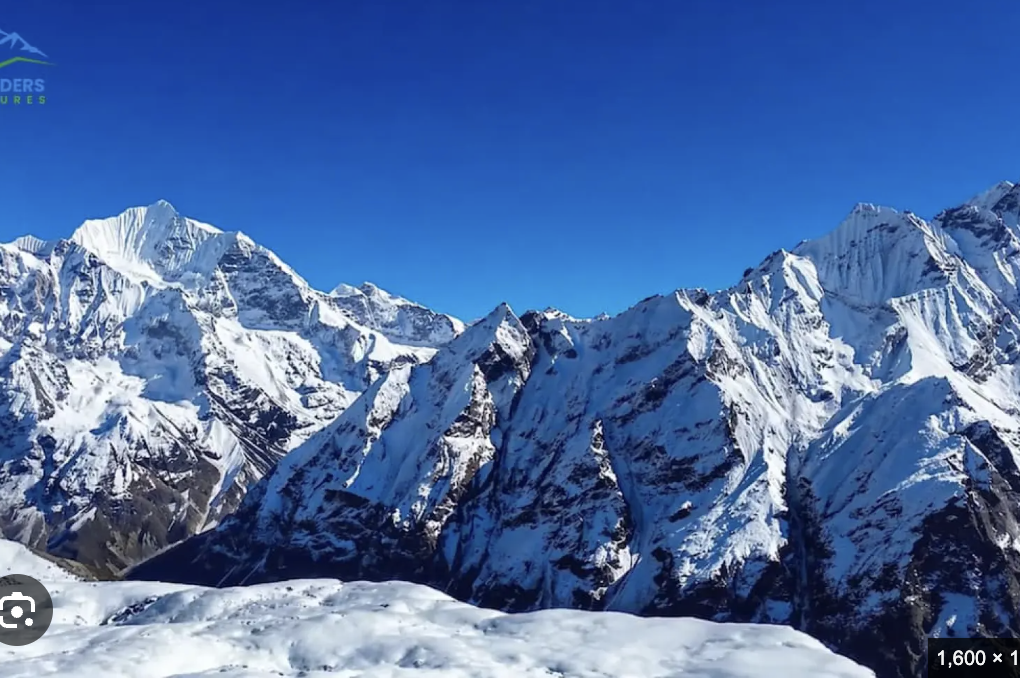

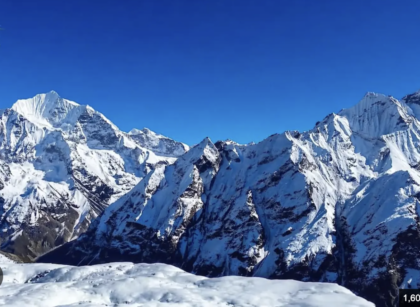
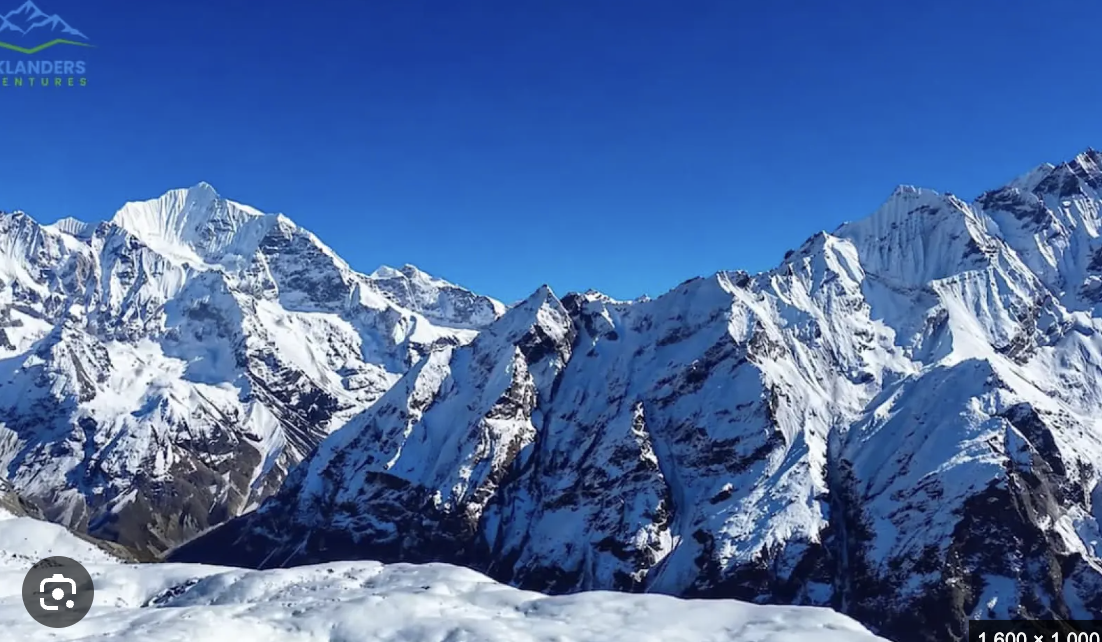
The Langtang Valley Trek is particularly noted for its stunning mountain views visible in the heart of the Himalayas, including Langtang Lirung, Ganesh Himal & Dorje Lakpa, and surrounding snow-capped peaks. Selecting the adequate season is of utmost importance, as weather conditions can be decisive in deciding visibility and trek comfort—if not possibly alter the entire trekking experience entirely.
After the clouds and mist have lifted, trekkers can find full appreciation for all of nature’s beauty that the Himalayas have to offer: stunning photo ops, bustling businesses at rest, & peaceful moments amid the mountain valleys. The Langtang region can be trekked in most of the year, with certain times being much better than others to enjoy amazing views during this Nepal trek.
Best time to visit: You get the clearest views of the Himalayas in autumn.
Autumn (Sept to Nov) is considered by many trekkers as the best time for trekking in the Langtang Valley Trek because you will enjoy a clear view of all mountains that you would like to catch. The ambience is fresh and clean after the monsoon rainfall, ensuring clarity of vision across the Himalayan range. The weather is typically bright blue skies, and the mountain peaks actually seem sharp as well as grand from different points throughout the course. The stable weather gives a comfortable trekking experience to the travelers traveling through forests, villages, and high-altitude landscapes, offering some of the best trekking conditions in Nepal.
The spring marks the conclusion of the snow season, revealing splendid landscapes and enhancing visibility.
Spring Season – March to May: Spring is also one of the best seasons for having clear views of mountains at this time on the Langtang Trekking. At this time flowers of rhododendron bloom, dense forests flourish, and the mountain scenery becomes colorful. Clear mornings regularly give astounding visibility and fantastic looks at the snow-shrouded tips of St Kilda and Mull in light of the fact that clouds advance when evening draws nearer. Spring is one of the favored seasons for trekkers because of moderate temperatures and great walking conditions.
It provides trekkers greater opportunities to relish uninterrupted views of the Himalayas while battling lesser stakes for weather-related interventions during such seasons. While winter boasts of dramatic snow-covered scenery, it also comes with a pretty big temperature drop and often treacherous conditions up in the mountains. During this period, abundant greenery is visible along with clouds and rain reducing visibility. The right season will get you to the fullest and most vibrant stage of the natural beauty of the Langtang region in a safe manner.
What Makes you Choose Autumn and Spring as Seasons
The best times for clear views are fall and spring when there is a good harmony of warming weather, comfortable temperatures, and an incredible view of the mountains. In these seasons, adventure seekers can experience uninterrupted views of the Himalayas while experiencing fewer weather-related challenges. Winter can mean snow-capped peaks framed against a deep blue sky, but cold weather and frozen trails at altitude make it both the best and worst time to hike. The rains make it lush green but also cloudy and wet so that visibility is often low. That decision is vital to training the greatest season and permitting you to revel in trekking comfortably.
Best Time to Get Mountain Views: Morning Hours
In the Langtang Valley Trek, early mornings are almost always when today’s warmest and clearest views become available throughout any season. Mountain weather is notorious for becoming a little volatile as the day progresses, with clouds typically building in the afternoon hours. Those starting trekking early would find well-defined views of Himalayan peak ranges, serene valleys, and picturesque sunrises.
Visiting popular sights around Kyanjin Gompa early morning can be especially rewarding when the mountains shine clear against bright skies. Setting daily trekking schedules with these effects accordingly can produce comparatively improved photography opportunities and allow the trekkers to experience the Himalayas in their full immensity.
Stunning views around Kyanjin Gompa
Kyanjin Gompa is one of the major highlights of the Langtang Valley Trek and most fascinating if viewed during clear weather. Set within mountains and with its glaciers, this quaint town provides access to excursions to viewpoints of the beautiful Himalayas. Visitors can trek in surrounding hills and take in views of what is possibly the main thing that makes the Langtang so engaging. On clear days around this part of the world, lasting memories are created, allowing visitors to comprehend the size and beauty of the mountains on what is one of our most memorable stages of travel.
Weather Conditions Influence Trekking Experience
The Langtang Valley Trek is also impacted by the weather conditions above and beyond mere visibility. Stable weather also translates to clearer trails and the ability to enjoy walks without having to worry about drenching rain or frigid winds. You may face rain, snowfall, or overcast weather conditions, meaning paths can get pretty sticky and difficult at certain points in your exploration of these mountains as well. Selecting the right clothes and picking the correct trekking season allow travelers to acclimatize better to changing conditions. To make the most of their Himalayan adventure, good weather preparation allows professional trekkers to enjoy diverse cultural experiences, majestic natural scenery, and empty trails.
Langtang Valley Trek Photography Trip — What is the Best Time?
When it comes to photography, selecting the appropriate season for your trek can give you an advantage in taking wonderful pictures along with other experiences of Langtang Valley Trek. Autumn offers clear blue backgrounds piercing through high rock ridges while spring splashes images with colorful woods and bright blossoming flowers.
Golden light over the Himalayan landscape, streamed gently across them at sunrise and sunset, results in some of the most breathtaking scenes you can imagine. Cameras are often carried by trekkers, and these can be affected, so individuals should also take care to protect their equipment from colder temperatures or when the conditions change. The Langtang region is a goldmine for mountain photography, so long as you take the time to prepare your shot.
Look at Specifics and Trekking Style
While autumn and spring seasons provide the best opportunity for clear views, say experts, the optimal trekking season varies based on individual preference. Travelers on trails with less traffic may opt for off-seasons, knowing they have a higher chance of bad weather. Thus, a trek of Langtang Valley eternally calls you, with dancing snow in the winter season to kelly-green scenery within the monsoon season. Whether it’s before photography, peaceful trails, cultural exploration, or mountain views—knowing your priorities is important to take care of the best time for yourself.
Select the Right Season for an Unforgettable Adventure
The best conditions in autumn and spring are these types of long periods, which might be the Langtang Valley Trek without climbing, with crystal-clear Himalayan views. These seasons provide the right balance of stunning views, climatized conditions with trek-able days, and great memories in the mountains. Be it travelling through traditional villages, trekking Langtang National Park, or reaching viewpoints around Kyanjin Gompa, good weather adds to all aspects of your journey. In conclusion, when planned correctly according to the season, the Langtang Valley Trek is one of those few experiences in life where you are able to witness nature gorgeously flaunting its elements like lights.